



Posts

Posts


Walk through the digital front door of most companies today and what greets you? A static careers page filled with a sea of uninspiring job links, vague value statements, and outdated photos of smiling employees. It is a jarring mismatch from the curated brand stories companies tell elsewhere. For candidates, it feels like they have been given a company brochure from 2009 in the middle of a high-stakes decision.
We do not tolerate experiences like this in any other area of our lives. We expect Spotify to know our music preferences before we do. We expect Netflix to show us something new we are likely to love. We expect Amazon to remember what we bought, browsed, and wanted but didn’t buy. This is the consumer standard, and it is the benchmark candidates now apply to careers websites, whether we like it or not.
According to LinkedIn’s Global Talent Trends report, over 75 percent of job seekers research an employer’s brand and reputation before applying. Yet fewer than 20 percent report finding useful or differentiated information on most corporate careers pages. The disconnect is not just a missed opportunity. It is a strategic liability.
At Happydance, we see the careers website not as a job board, but as a live, intelligent extension of your culture and employer reputation. A place where talent meets truth. Where storytelling and utility are seamlessly blended. Where the experience feels designed, not dumped.
Here is what that future looks like in practice.
1. Conversational navigation
The best interfaces anticipate needs. Rather than force candidates into static menus and category filters, careers sites should guide exploration the way a great recruiter does—by asking the right questions and adapting in real time. Think Duolingo rather than Google Sheets. It is not about more features. It is about making people feel guided and understood.
2. Dynamic content based on context
Imagine walking into a bookstore that immediately rearranges its shelves to display the exact titles you are most likely to buy. That is what dynamic content should do on a careers site. If someone arrives from a university job board, show them early-career content and growth stories. If someone has visited before, remember their interests and continue the story. Personalization is no longer a novelty. It is a requirement.
3. Curated job discovery
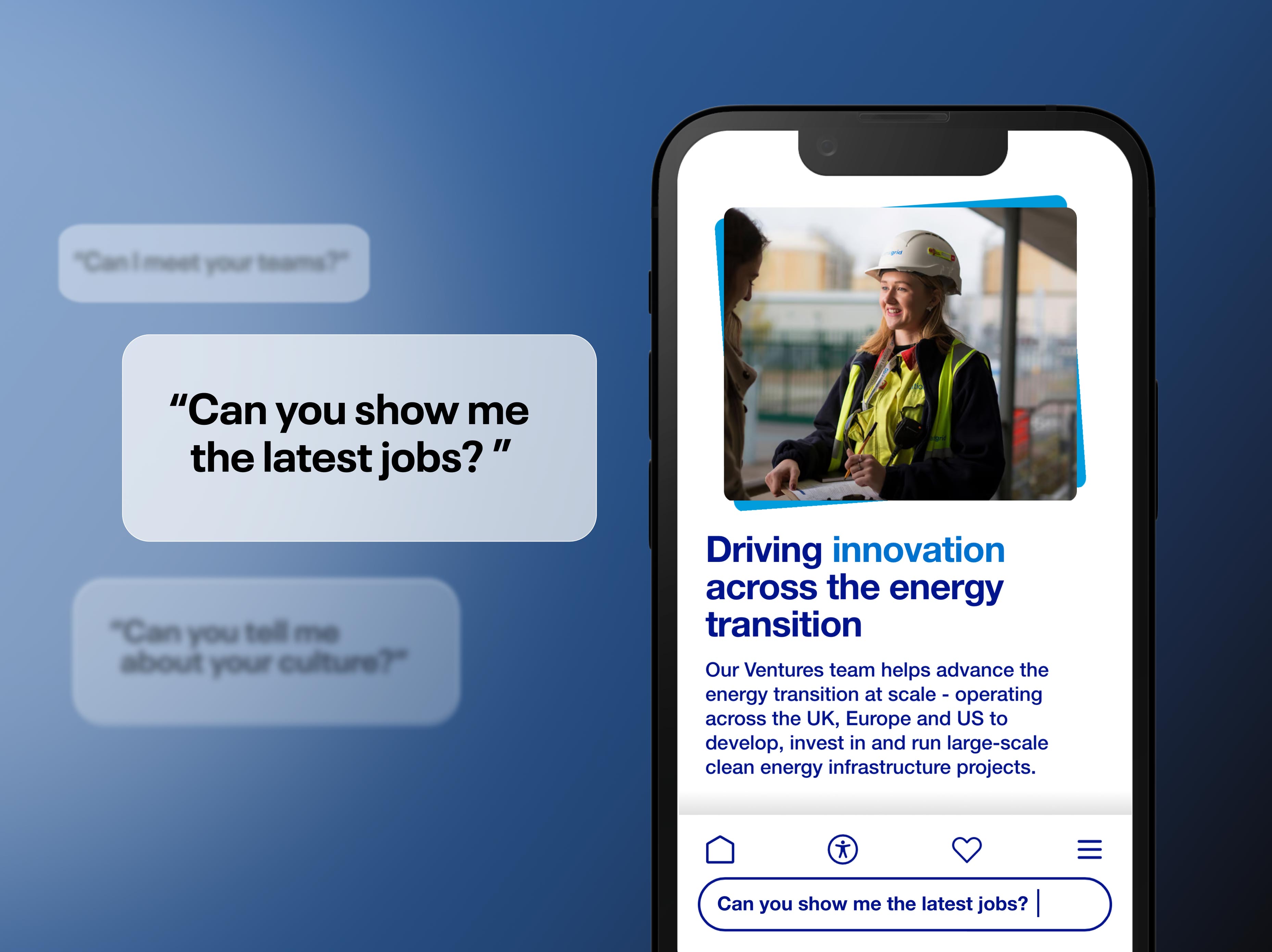
We do not binge on shows by browsing all available content. We rely on curation. Smart careers sites should do the same. Surface roles that fit the candidate’s interests, location, and experience level. Recommend paths and ipossibilities. Tools like Eightfold and HiredScore already use AI to do this internally. It is time we brought this power to the public-facing candidate experience.
4. Instant, frictionless applications
Nearly 60 percent of job seekers abandon applications due to complexity, according to Appcast. Every unnecessary click, field, or step is a point of dropout. If your site cannot allow someone to express interest in under a minute, you are building walls instead of pathways.
5. Total clarity around the offer
Transparency is the new currency of trust. Candidates want to know what they are really signing up for—from pay to pace to purpose. Instead of burying the hard truths or over-polishing the perks, bring clarity to the foreground. Done well, this honesty becomes your most powerful filter and your strongest magnet.
6. Authentic employer brand, proven by employees
According to Glassdoor, candidates are three times more likely to trust a company’s employees than the company itself. That means your careers site should feature employee voices prominently. Not as polished testimonials, but as story-driven previews of life inside. The key is context. A quote is good. A short video on how someone navigated their first year is better. A narrative that shows the give and get of the role is best.
7. A Platform that supports your brand and your teams
Your employer brand should not live in a slide deck. Embed it in the platform itself. Think of your careers site as a living system that not only expresses your brand but gives your teams tools to extend it. Internal recruiters should be able to pull stories, videos, and proof points on demand. Hiring managers should be able to add team context. The site becomes a central nervous system, not just a façade.
8. Insightful analytics, not just data
Most analytics platforms overwhelm with information and underwhelm with insight. What talent teams need is clarity. What content drives the most qualified engagement? Where are people dropping off? What story themes resonate most with engineering candidates versus operations? Great analytics simplify decisions. They do not create more dashboards to interpret.
9. Built-in CRM memory
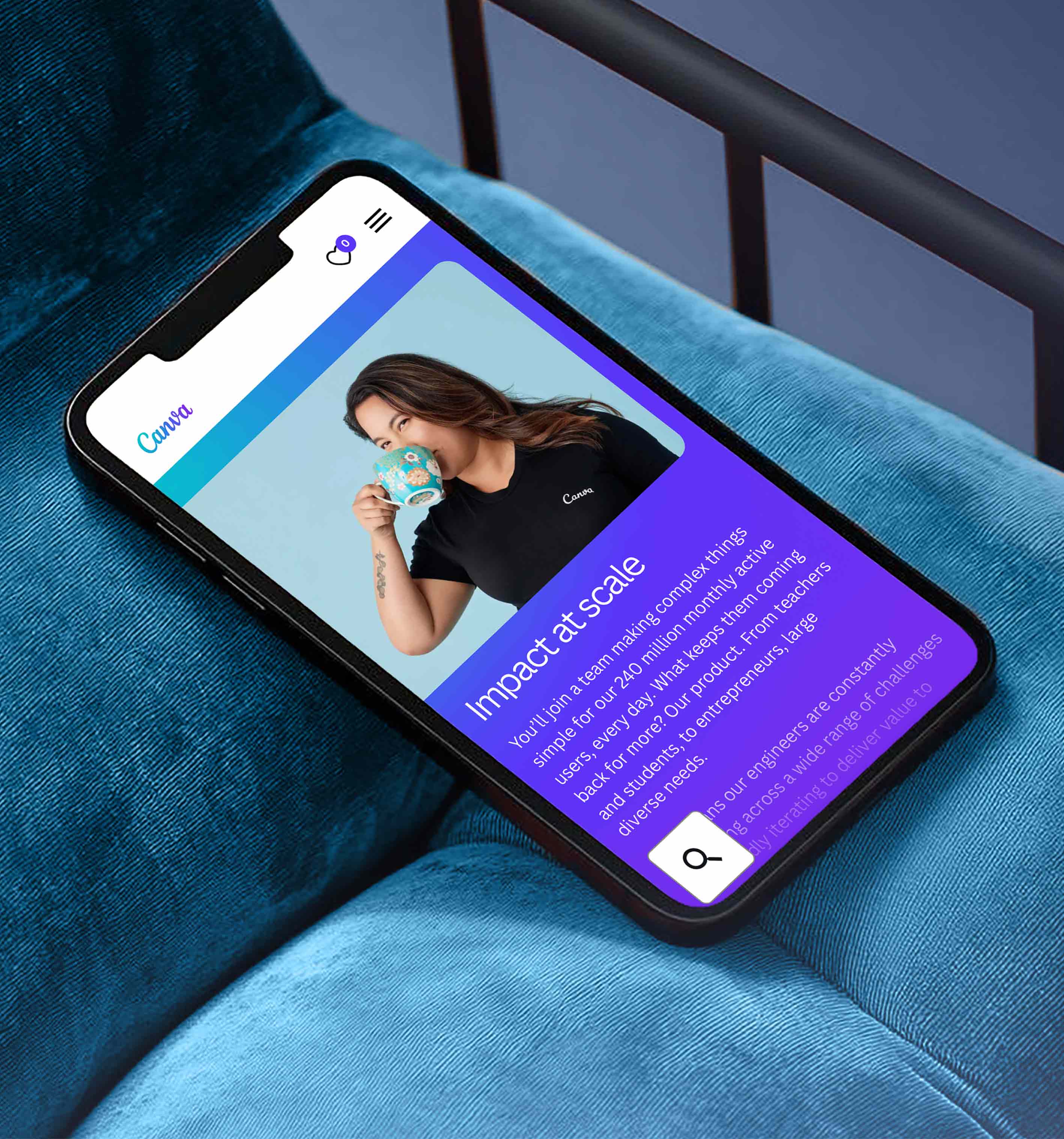
If your site forgets who someone is or what they care about, it is treating every visitor like a stranger. This is not just about cookies. It is about continuity. Candidates should be able to pick up where they left off, save jobs, and receive updates on roles they care about.
10. Real-time control for your team
Modern talent teams move fast. Waiting three weeks to change a job description or update a campaign is not acceptable. Your team should have the power to manage and evolve content instantly. Think Canva, not Jira.
Not sure where your current careers site stands? Use this scorecard to assess your current state across these ten critical areas.
Element Score (1-5)
Score your current site against the ten areas above. Use a scale from 1 (not at all) to 5 (fully embedded).
Look at your scores. If you are below 4 on more than three areas, your careers site is likely misaligned with candidate expectations. This is not just about conversion rates. It is about brand equity, pipeline strength, and long-term reputation.
Start with friction. Reduce the barriers to apply. Then address clarity. Make sure candidates can see what they are walking into. Invest in adaptability. Your site should feel as alive as your culture.
If you want to know how your site truly compares to best-in-class examples, we will review it for you. No sales script. Just real insights you can act on.
Request a Careers Site Audit or start a conversation with the Happydance team.
We will help to identify what is working, what isn’t, and what to do about it.
Posts

Posts

Posts